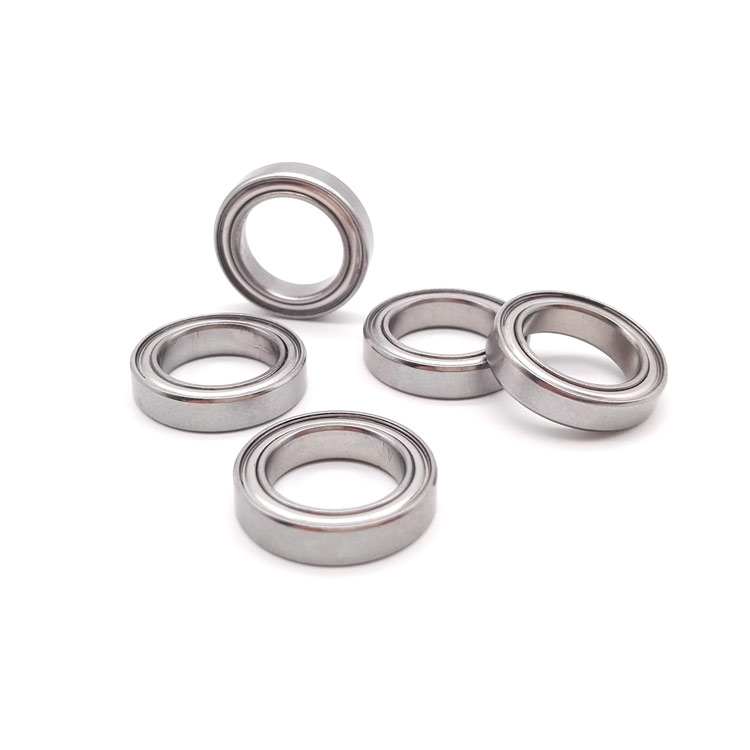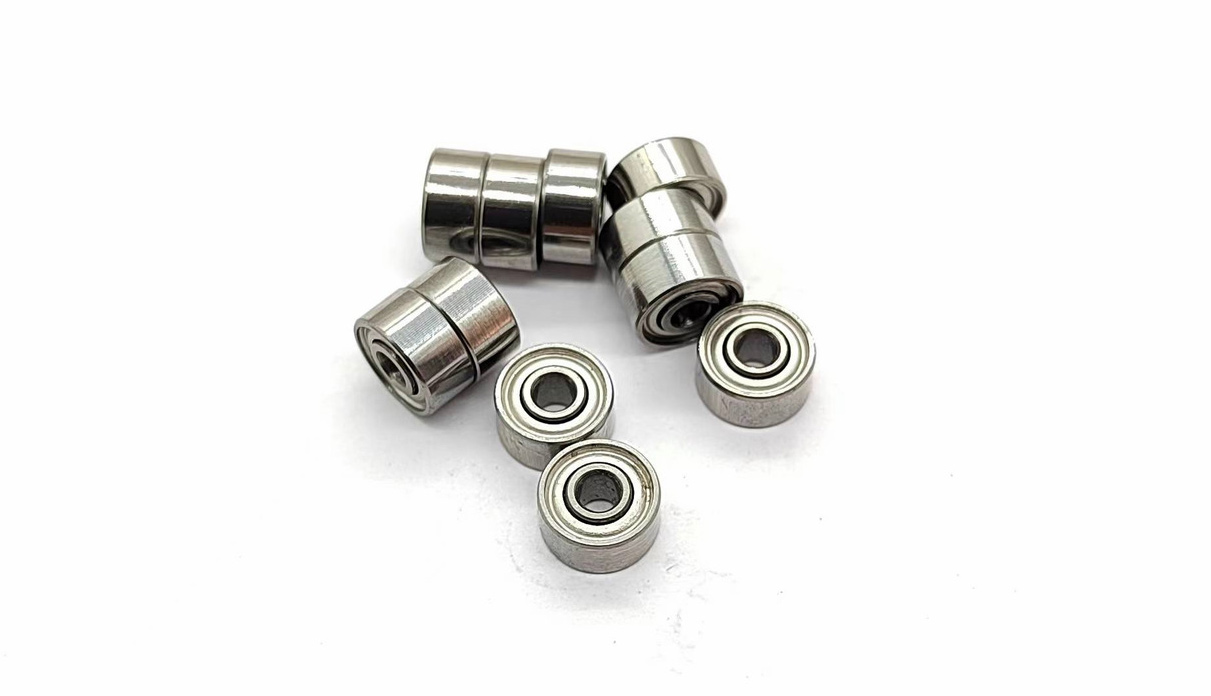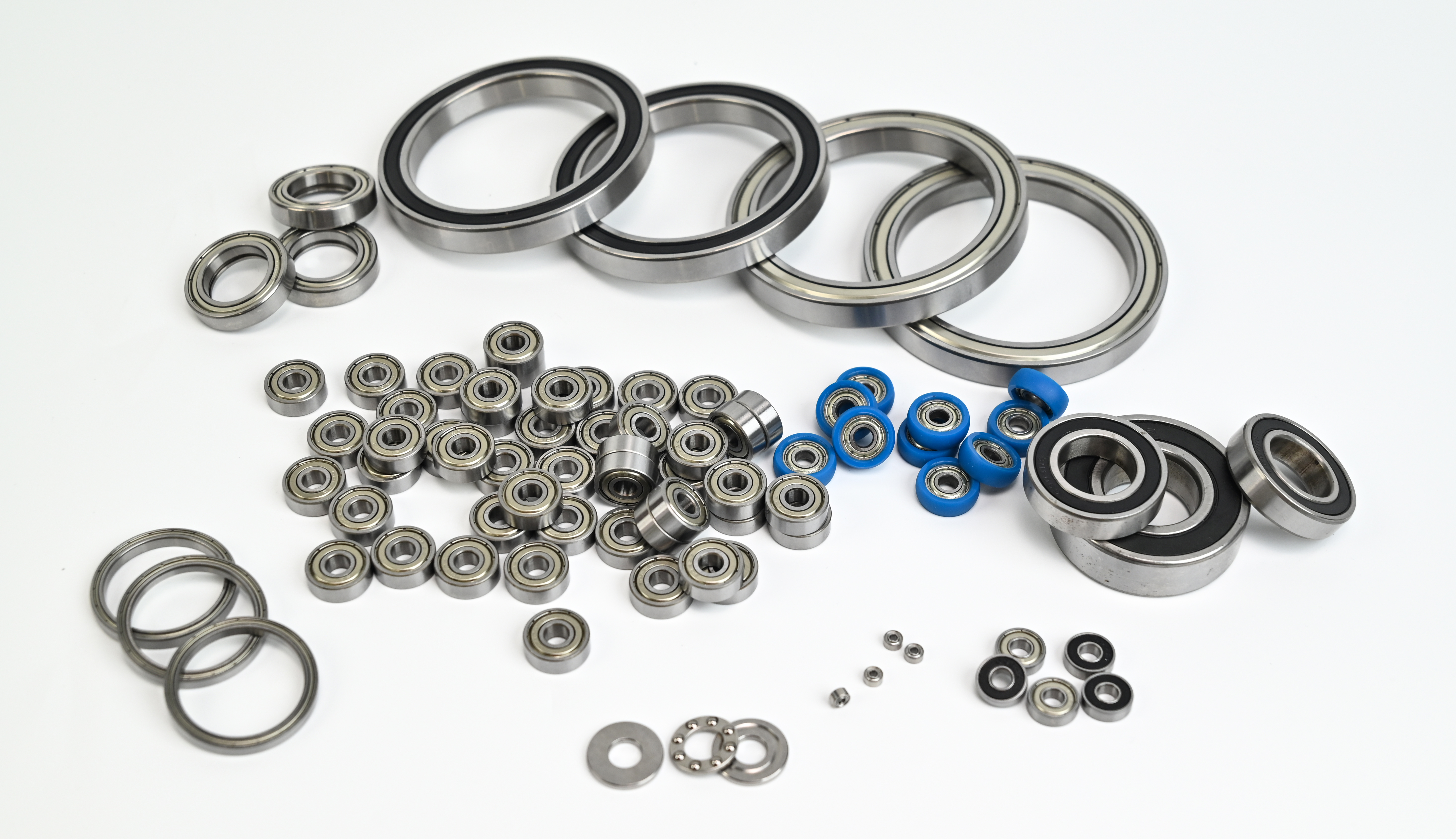
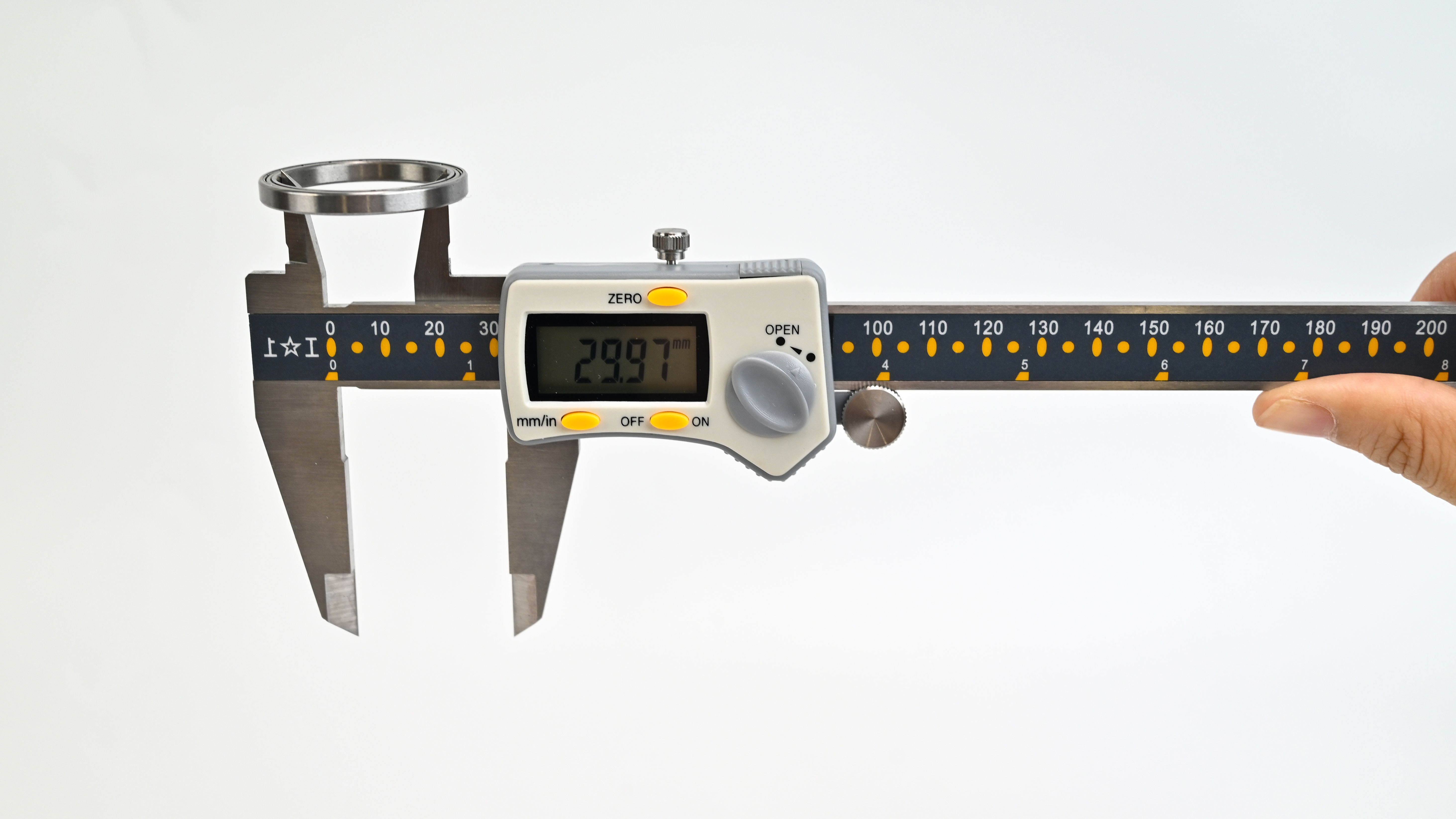
STEP 1 Measuring the Bearing Bore (Inner Diameter / ID)
The bearing bore size is the measurement of the hole in the center of the bearing.
-
Best method: Use a vernier caliper for the most accurate result.
-
Steps:
-
Insert the outer anvils of the caliper into the bearing’s bore.
-
Open the caliper slowly until it fits snugly but not tightly against the inner ring.
-
Read the measurement on the caliper scale in millimeters or inches.
-
Pro tip: If a vernier caliper is not available, a high-quality steel ruler can be used for approximate measurements.
STEP 2 Measuring the Outside Diameter (OD)
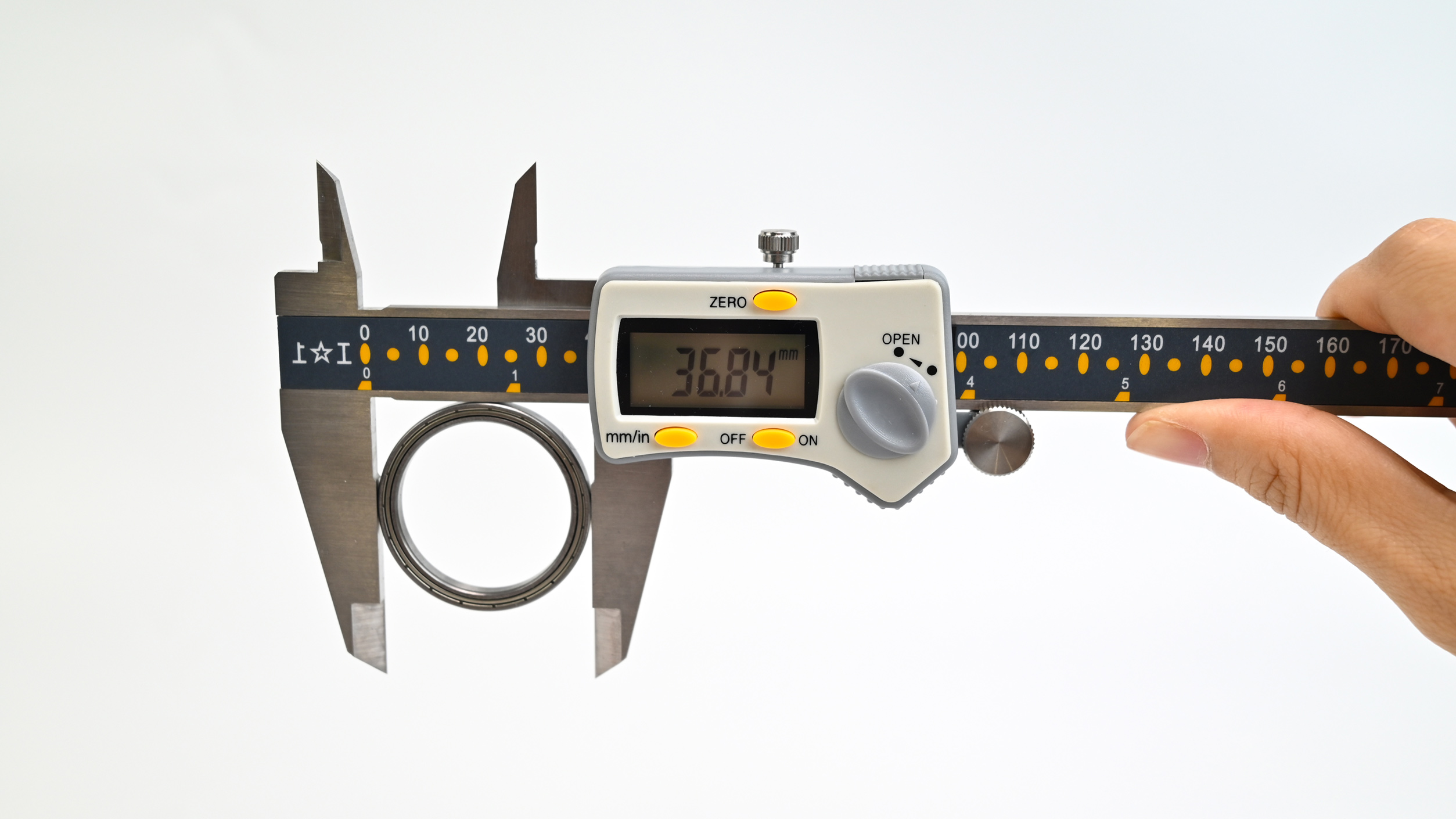
The outside diameter is the total width across the bearing from one outer edge to the other.
-
Place the jaws of the caliper around the outer ring of the bearing.
-
Close the jaws gently until they make contact without compressing the bearing.
-
Record the measurement in mm or inches.
This dimension is critical when fitting the bearing into a housing or casing.
STEP 3 Measuring the Bearing Width (W)
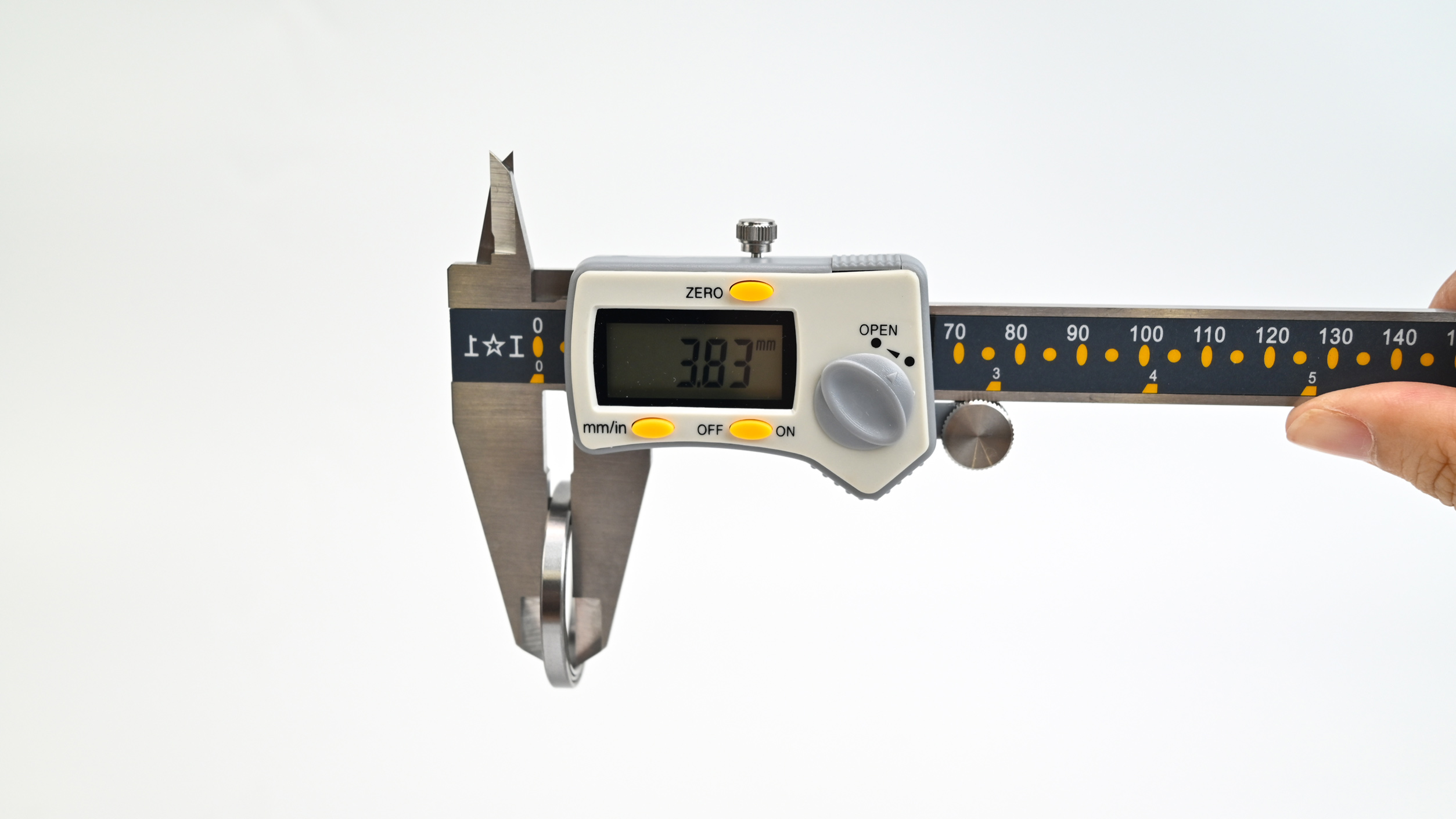
The width refers to the thickness of the bearing.
-
Position the caliper jaws on both sides of the bearing’s faces.
-
Close until snug, ensuring no extra pressure is applied.
-
Read the value to determine the exact width.
Why Accurate Bearing Measurement Matters
Choosing the correct bearing dimensions ensures:
-
Proper fit in mechanical assemblies
-
Longer service life and reduced wear
-
Smooth rotation and minimal vibration
For precise results, always use a vernier caliper and measure at least twice to confirm accuracy. This is especially important for miniature bearings and micro-sized bearings where tolerances are very tight.